
SaaS Escrow Asset
Third-party dependencies escrow
Ensure the external services your software relies on remain accessible, supported, and recoverable when it matters most.
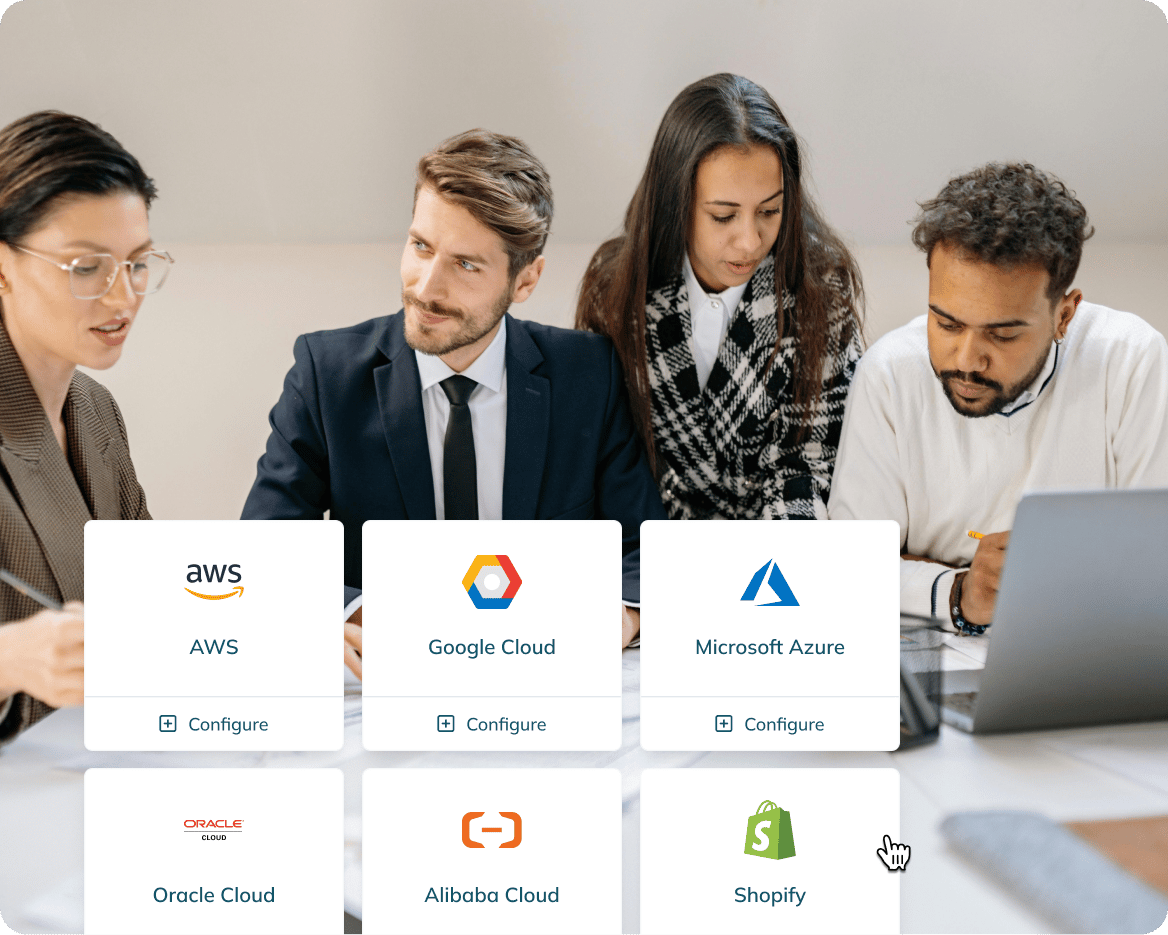
Secure your entire dependency chain
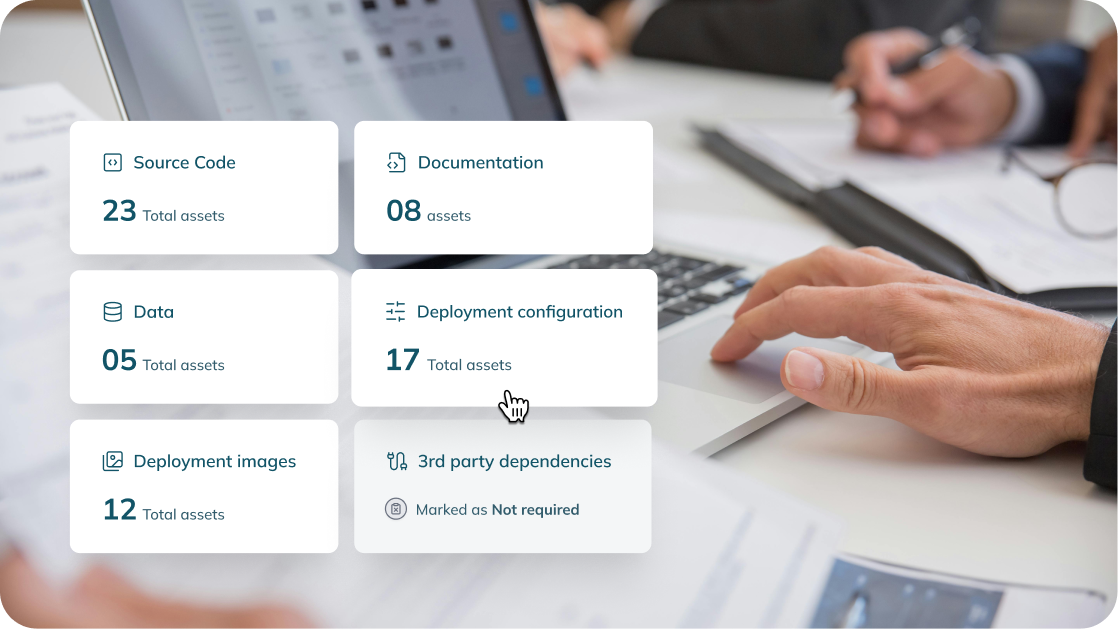
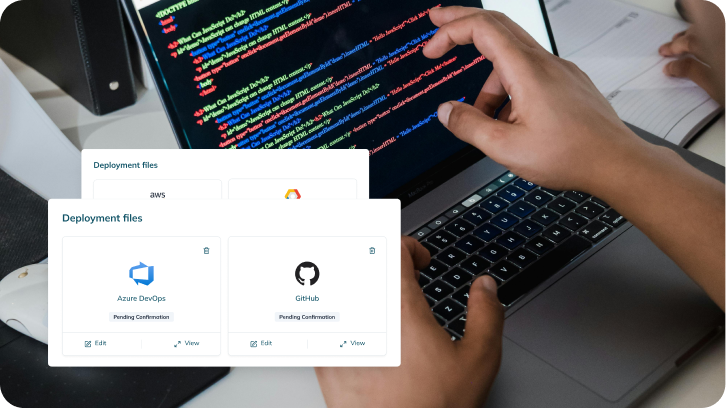
Your software relies on external APIs, cloud services, libraries, and integrations. Codekeeper syncs with your existing tools to automatically safeguard the materials, configurations, and information needed to maintain those dependencies without disrupting your workflow.
View all integrations


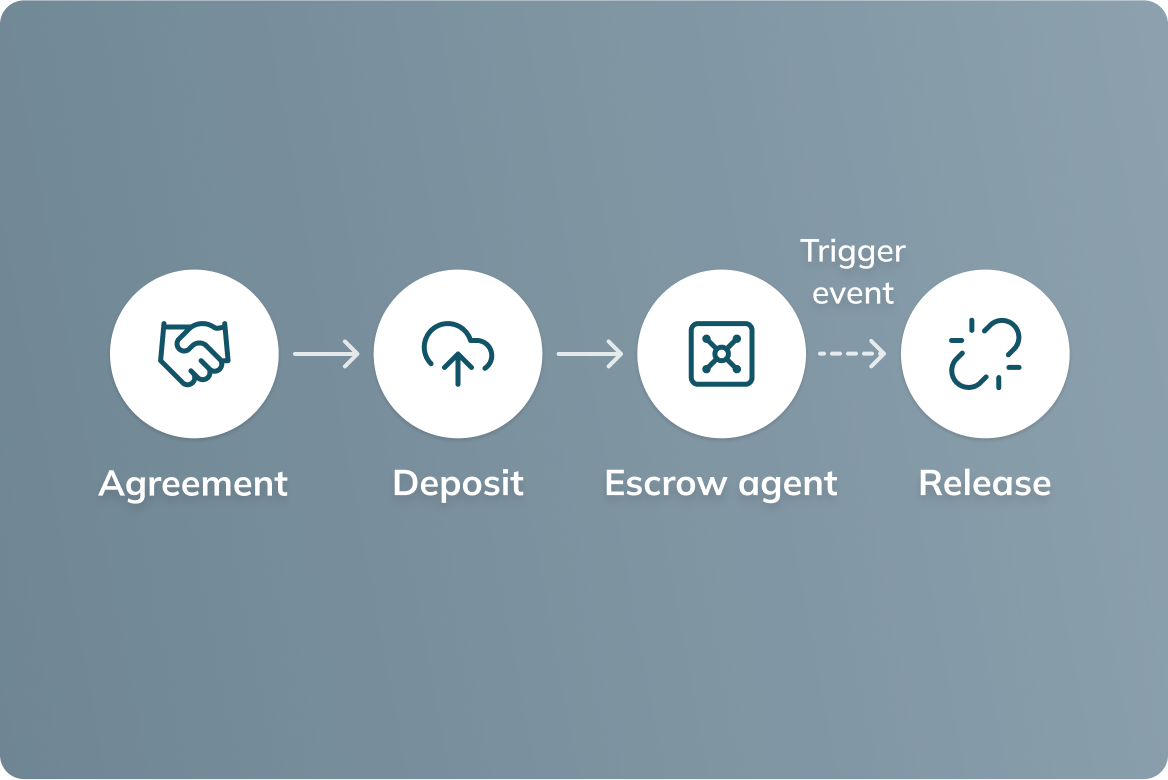
What is third-party dependencies escrow?
Third-party dependencies escrow protects access to external services by storing critical information with a trusted third party like Codekeeper.
If dependencies become unavailable, these materials are released under predefined conditions — allowing you to maintain or replace the services your software needs.
Third-party dependencies escrow is one of the asset types included within Codekeeper’s
SaaS Escrow solution.
Why dependency protection matters
Modern software relies heavily on external services. When one of those services becomes unavailable, every connected workflow can be affected.

What happens if a critical API your product depends on shuts down or changes unexpectedly?

How would you maintain service continuity if your integration provider becomes unreachable?

Where would your team start if important configuration files or credentials were missing?

How do you reassure customers that third-party service failures will not disrupt your platform?

Security for external integrations and services
Store essential materials, configuration details, and access information so you can maintain or replace external dependencies when needed.

Automated deposits to keep dependency information current
Upload updates directly or connect your systems and let Codekeeper handle recurring deposits automatically, ensuring each version is captured.

Verification options to confirm completeness
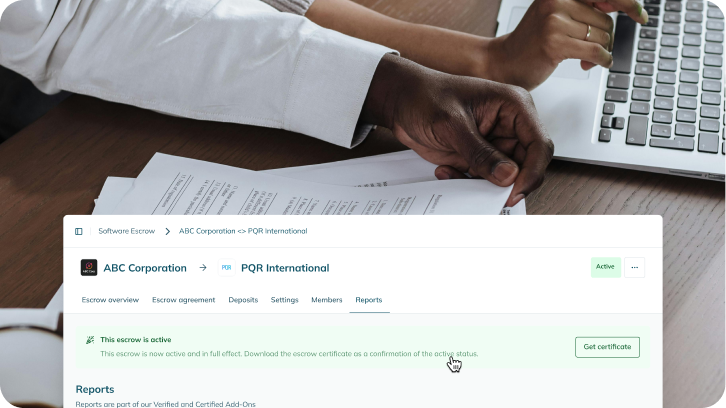
Optional verification checks done by Codekeeper ensure deposited materials are complete, usable, and aligned with real recovery scenarios.

Coverage for supporting operational services
From hosting components to authentication providers and managed runtimes, Codekeeper protects the service information required for continuity and recovery work.

Guided support during release events
If a dependency fails or becomes inaccessible, our team supports both sides by validating the request and coordinating the secure handover of materials so restoration work can begin without delay.

Cost-effective, flexible monthly and annual plans
Choose a billing schedule that fits your needs and budget, with transparent pricing and none of the restrictive multi-year commitments common in traditional escrow.
From software risk to resilience

“Excellent service. This is easily the best way to handle it for both yourself and the client.”

“Codekeeper is a new service for creating escrow agreements for code, specifying the legal circumstances where source code can be accessed.”

“Source code escrow is a great service, and one that ALL developers who do client contract work should look into.”








Without third-party dependencies escrow
Dependency failures can trigger unexpected outages
Migrations become slower and more complex
Transparency into critical services becomes harder to maintain
Recovery work stalls when materials or credentials are missing

With third-party dependencies escrow
A clear path exists to maintain or replace critical integrations
Migrations and recovery become faster and more predictable
Trust improves through independent oversight and clear access workflows
Dependency risks decrease across contracts, operations, and renewals
Cover your full SaaS infrastructure
Third-party dependencies escrow is part of Codekeeper’s broader SaaS Escrow offering, which protects every asset a SaaS platform relies on:
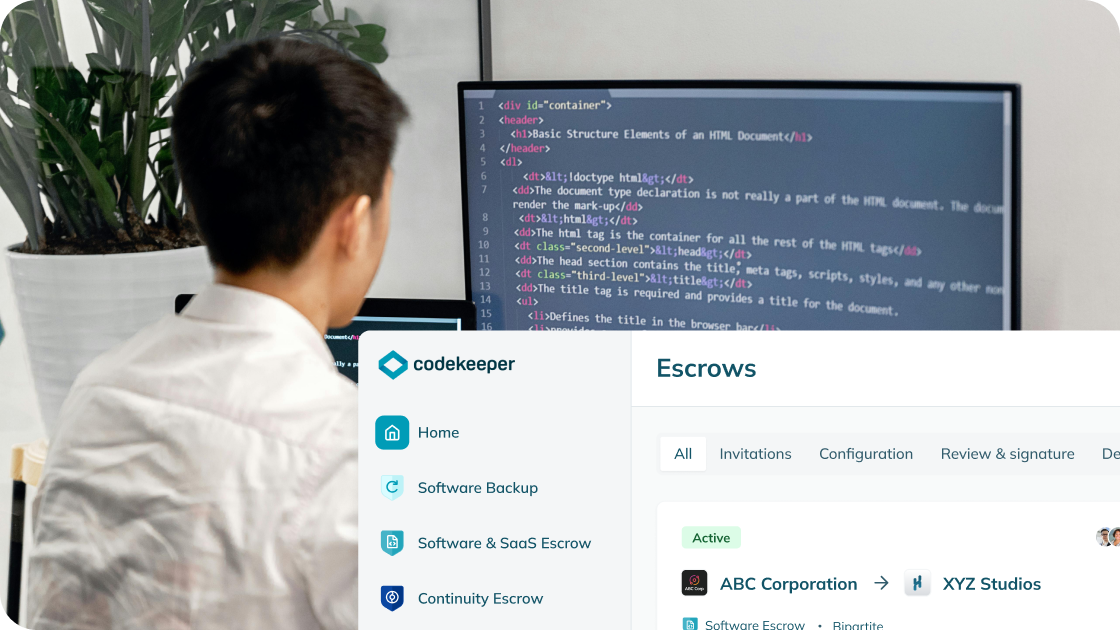
Source code escrow
Preserve the codebase required to rebuild, maintain, or support your software.
Learn more
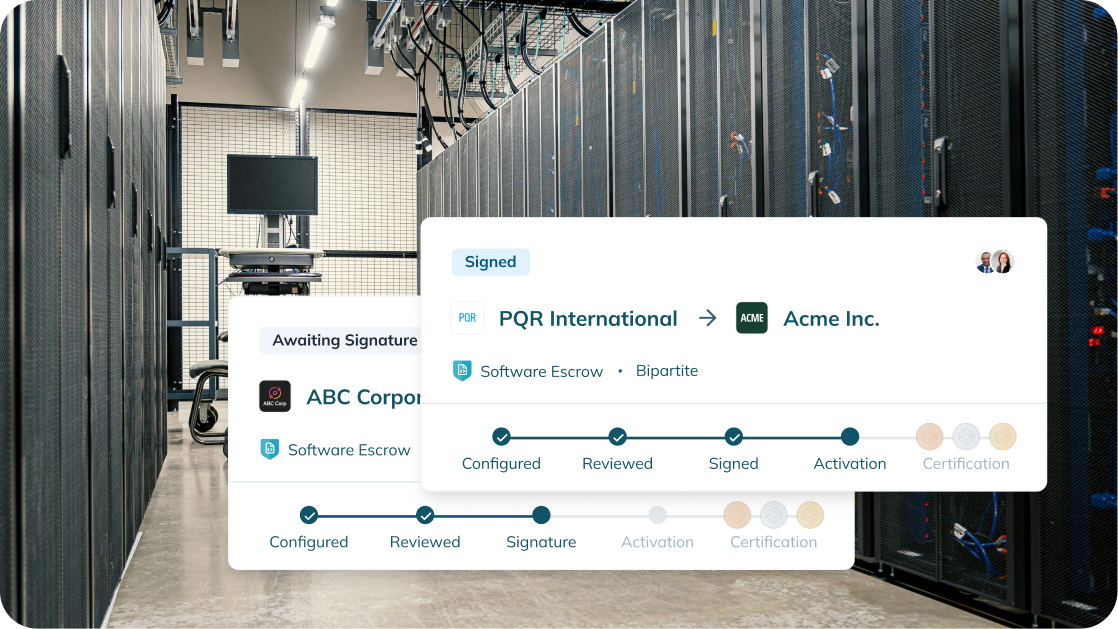
Data escrow
Safeguard the application data and configuration files required for restoration.
Learn more
Document escrow
Store documentation and technical materials needed to rebuild or operate your software.
Learn more
IP escrow
Protect proprietary designs, algorithms, and technical materials essential to your software.
Learn more
Deployment assets escrow
Vault the build scripts and operational materials needed to redeploy your environment.
Learn more
E-BOOK
Want a clearer view of dependency risk?
Download our guide to learn how SaaS Escrow protects your software when upstream services become unavailable.
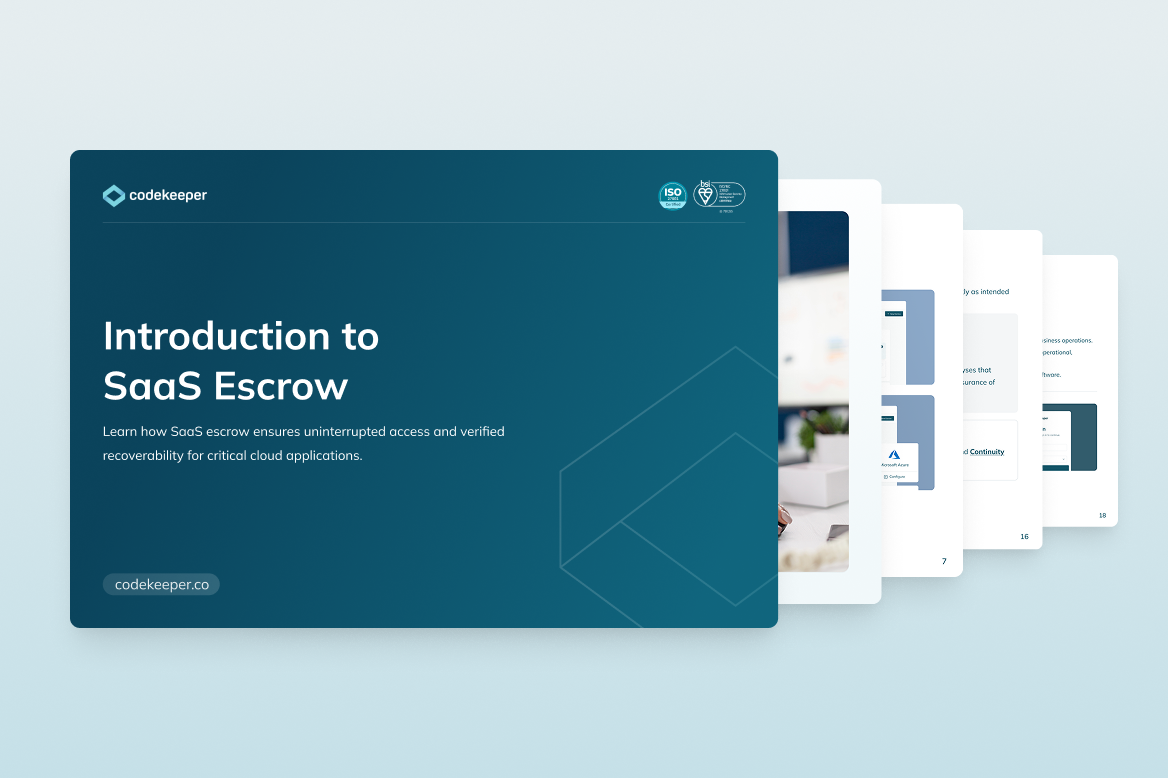
*E-book available only in English
Get your free introduction to SaaS escrow
READY FOR RECOVERY
Protect what your software depends on
- Always-current deposits
- Faster, more predictable recovery
- Reduced dependency risk across your environment