
Software Escrow Asset
Document escrow
Protect the knowledge your software relies on by storing essential documentation in an independent, secure environment built for real recovery.

Connect and safeguard documentation from any platform
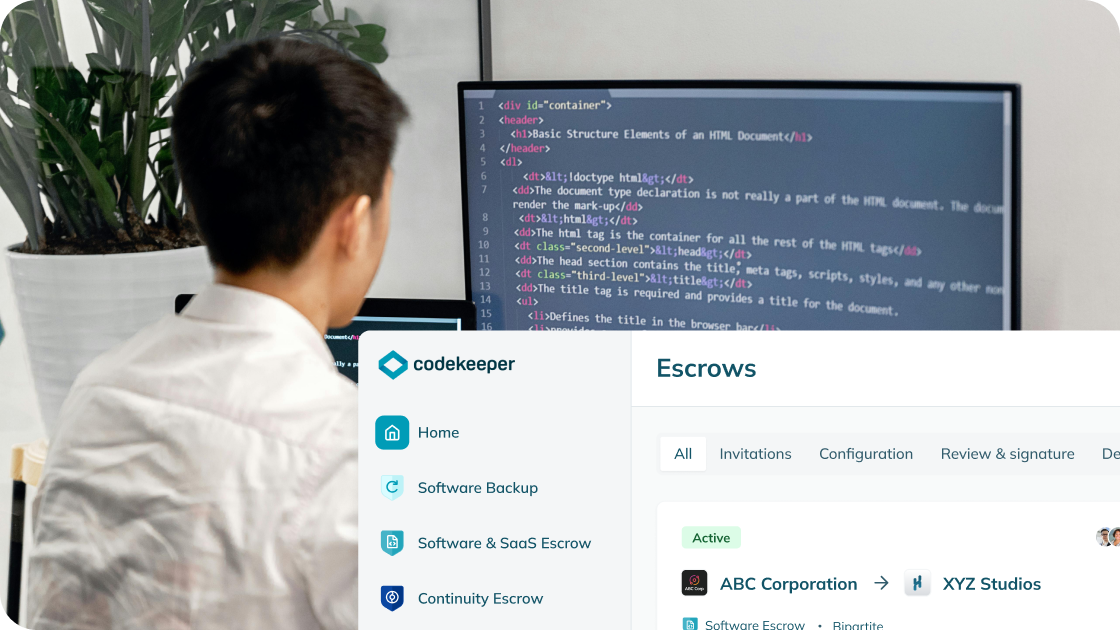
Depositing documentation should be simple. Codekeeper integrates with +50 storage and development tools so teams can upload, update, and manage materials without slowing down their work.
View all integrations








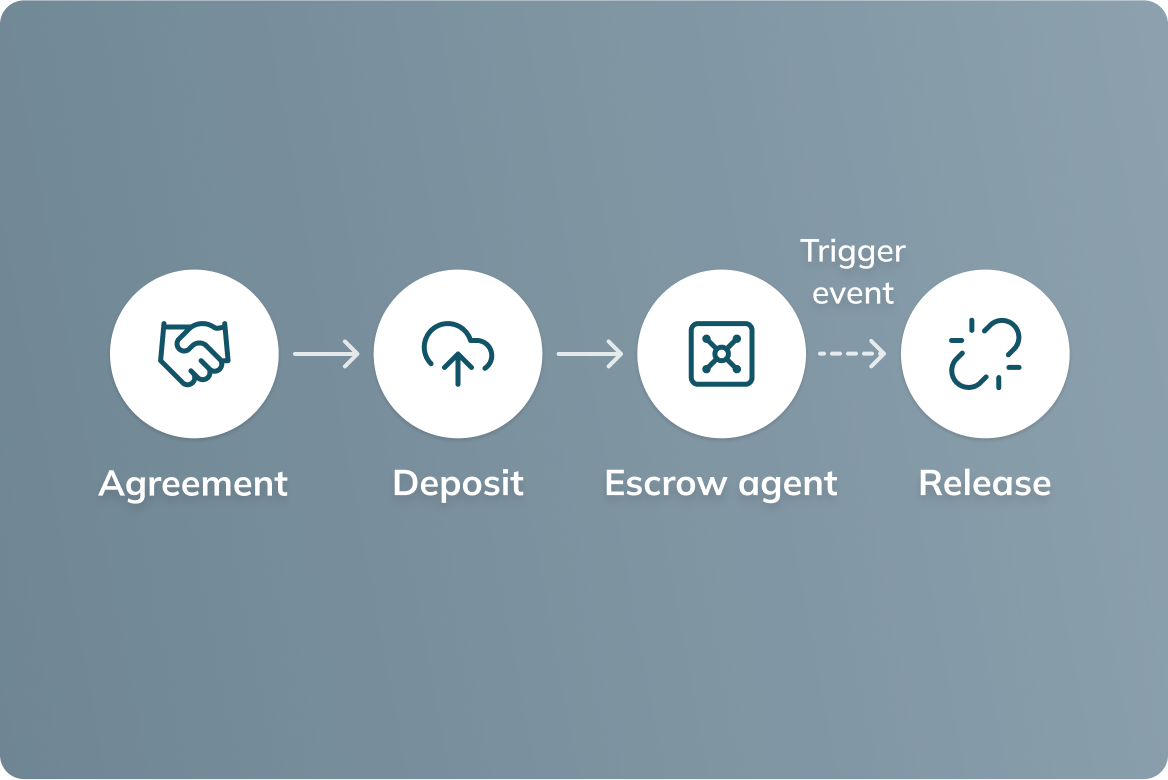
What is document escrow?
Document escrow is a legal arrangement where a software provider securely stores the documentation required to operate, support, or restore their software with an independent escrow agent like Codekeeper.
If this information becomes unavailable due to a defined release event, the escrowed documents can be provided to the relying party so recovery work can begin.
Document escrow is one of the asset types included within Codekeeper’s broader
Software Escrow solution.
Why documentation protection matters
Modern software depends on clear, accurate documentation. Without it, teams struggle to support, transfer, or recover mission-critical systems.

What happens if operational knowledge isn’t accessible?

What risks arise if configuration or setup steps are lost?

How do teams troubleshoot or maintain software without the right guidance?

How do you prove your documentation is accurate, complete, and up to date?

Unlimited automated deposits keep your docs current
Codekeeper automatically captures updates from your storage or development environment, ensuring the right documents are always preserved.

More features to simplify documentation escrow
Automated checks and optional verification ensure documentation is intact, clear, and ready for recovery.

Assured recovery support for all parties involved
If a release event occurs, Codekeeper provides guided assistance so teams can interpret and use documentation effectively.

Cost-effective, flexible monthly and annual plans
Codekeeper offers both monthly and annual options, unlike many escrow providers that limit customers to annual contracts.

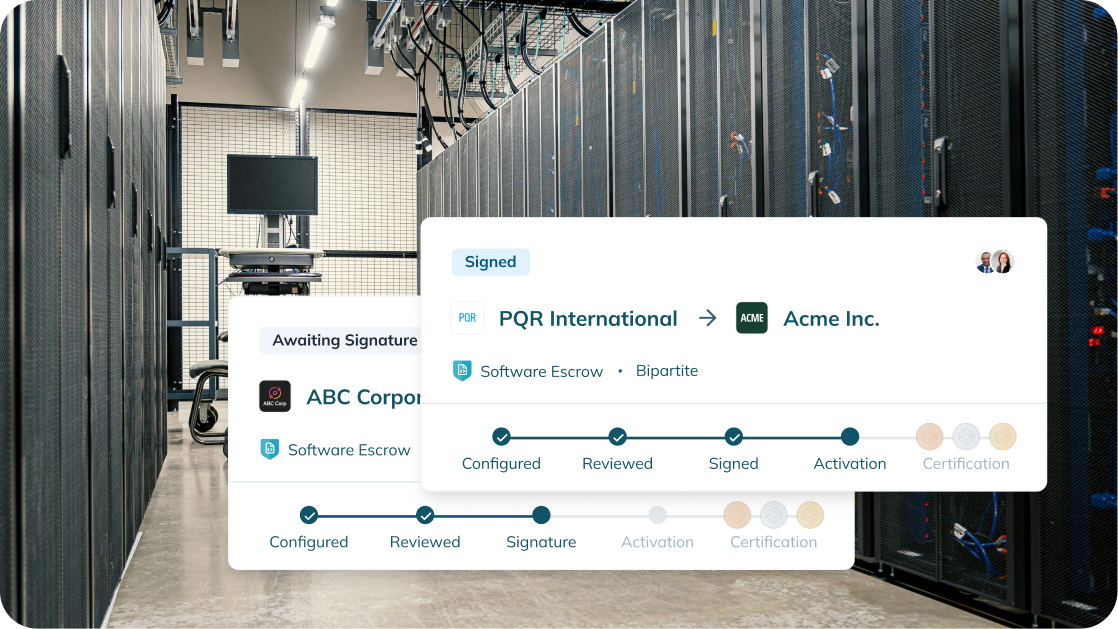
Dashboards for depositors and beneficiaries
Depositors and beneficiaries get a view of deposit status, updates, and verification, making support and trust smoother across the software ecosystem.

Support at every stage of your documentation life cycle
Whether you’re depositing initial materials or updating files, our support team ensures your documentation is always recovery-ready.
From software risk to resilience

“Excellent service. This is easily the best way to handle it for both yourself and the client.”

“Codekeeper is a new service for creating escrow agreements for code, specifying the legal circumstances where source code can be accessed.”

“Source code escrow is a great service, and one that ALL developers who do client contract work should look into.”








Without document escrow
Critical instructions for operating or restoring the software may be lost or outdated
Support teams struggle to troubleshoot issues without the correct procedural knowledge
Recovery becomes slow and dependent on individuals instead of documented processes
Missing context increases the risk of misconfigurations, downtime, or complete rewrites

With document escrow
Essential documentation is stored independently and always accessible when needed
Support, onboarding, and recovery efforts become faster and more reliable
Teams can operate, maintain, and restore the software using accurate, validated materials
Providers and relying parties reduce long-term operational and continuity risks
Protect every component your software depends on
Document escrow is one of the asset types included within Codekeeper’s Software Escrow solution. Together with source code, data and, configurations, Software Escrow preserves every component required to operate, support, and recover your software.
E-BOOK
Want a clearer view of how software escrow supports real recovery?
Download our guide to learn how Codekeeper protects the components your software depends on.
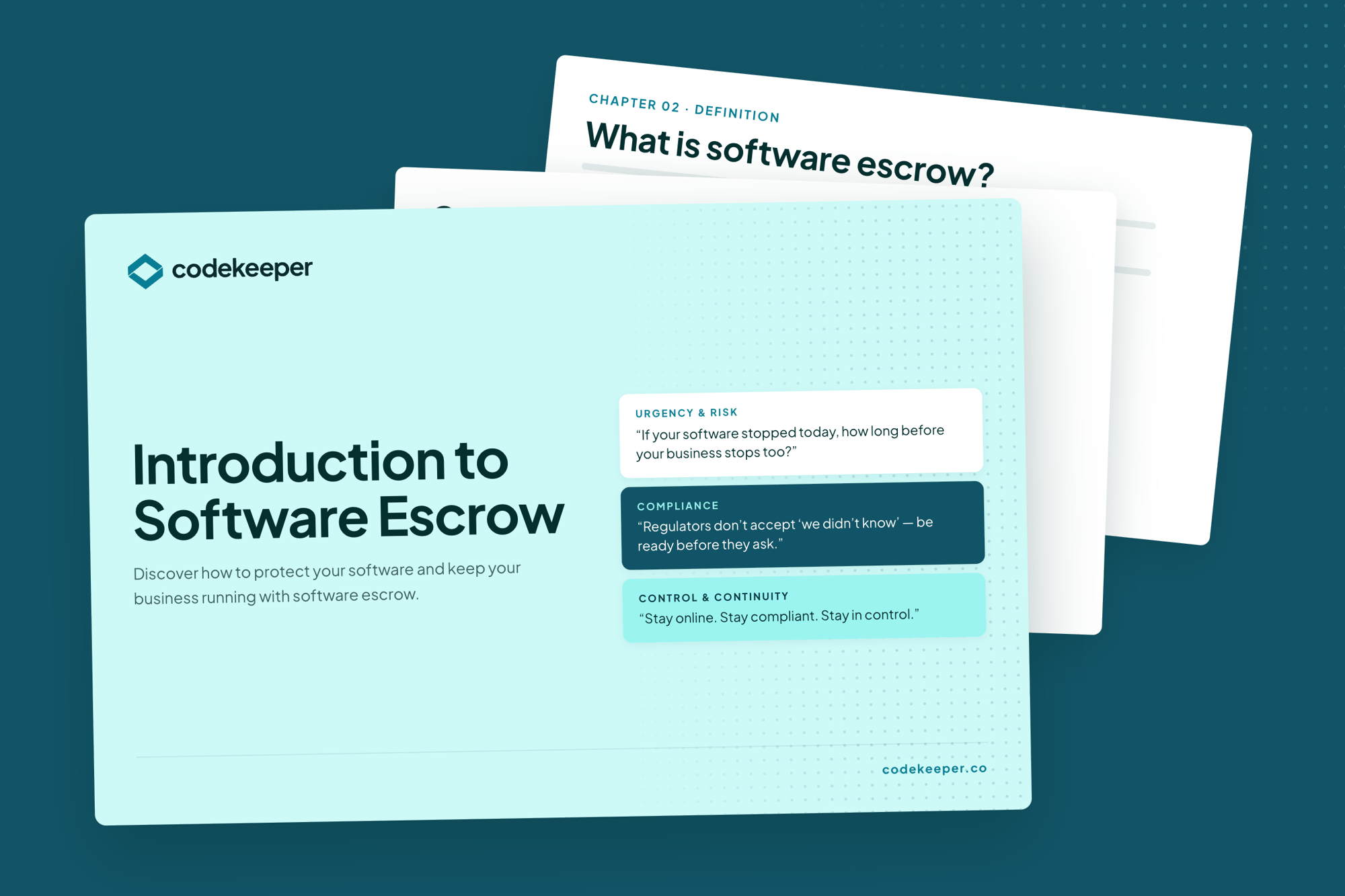
*E-book available only in English
Get your free introduction to software escrow
READY FOR RECOVERY
Protect the docs that make recovery work
- Clear, structured deposits for essential knowledge
- Predictable recovery for when information becomes unavailable
- Trusted by teams who rely on accurate system documentation