



Continuity Escrow
Ensure 100% software uptime — all the time.
Don't let hosting or support failures reach your clients. Continuity Escrow keeps your services running so they never feel the impact.
Live in 24 hours.
From
$459
/mo
Unlimited deposits · Daily syncs · Software Resilience Certificate included
Vetted and trusted by 3 500+ companies in over 150 countries








What is continuity escrow?
Continuity escrow keeps your infrastructure operational when payment disruptions threaten to shut it down. When you flag a disruption, Codekeeper steps in to maintain critical services — giving you time to transition to new providers or resolve the issue.
Continuity escrow guards against:
- Service lapses — a missed payment that suspends your hosting and locks you out of your accounts.
- Cascading outages — one downed dependency that takes every connected service with it.
- Lost revenue and clients — prolonged downtime that drains income and sends customers elsewhere.
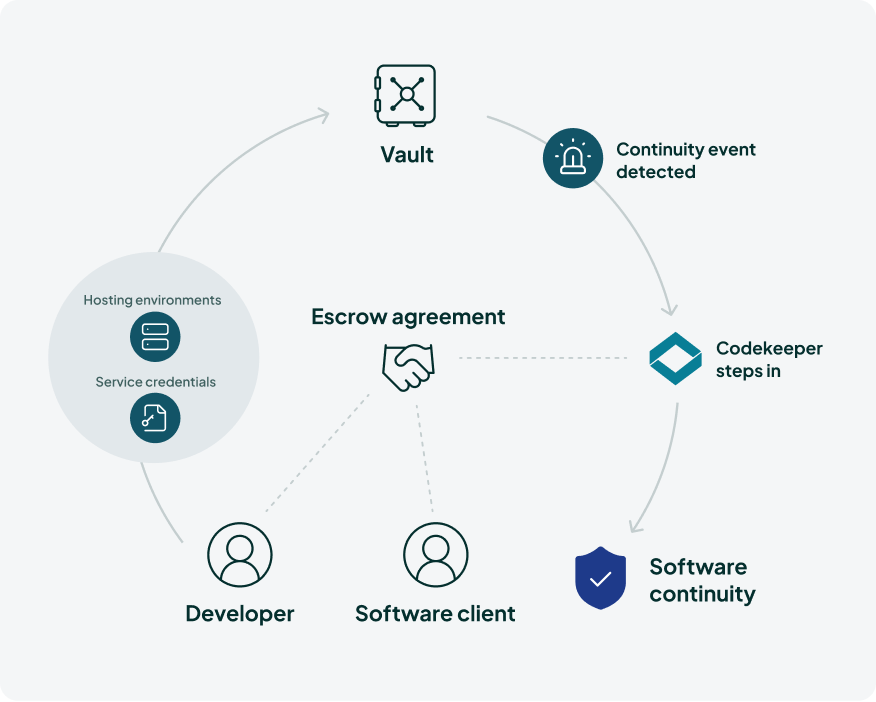
Your infrastructure depends on providers. When they fail, your services go offline. When your services go offline, you fail your clients. When you fail your clients, your business stops.

We bridge operational gaps caused by service failures
Every platform your software touches depends on external infrastructure — APIs, hosting, storage, and third-party services. If payments on a dependency are missed, we step in before it crashes your software.
3 500+
teams trust Codekeeper to protect their operational uptime.
You can rely on us too.
What goes into your Continuity Escrow uploads
We protect two asset categories that keep your software running:

Hosting environments
Your cloud platforms, dedicated servers, containers, and deployment pipelines — everything we need to access where your applications actually live and operate.

Service credentials
Your login credentials, authentication tokens, admin permissions, and API keys that let us keep your essential third-party services active.
Unlimited hosting providers
Unlimited third-party services
Dual-dashboard visibility
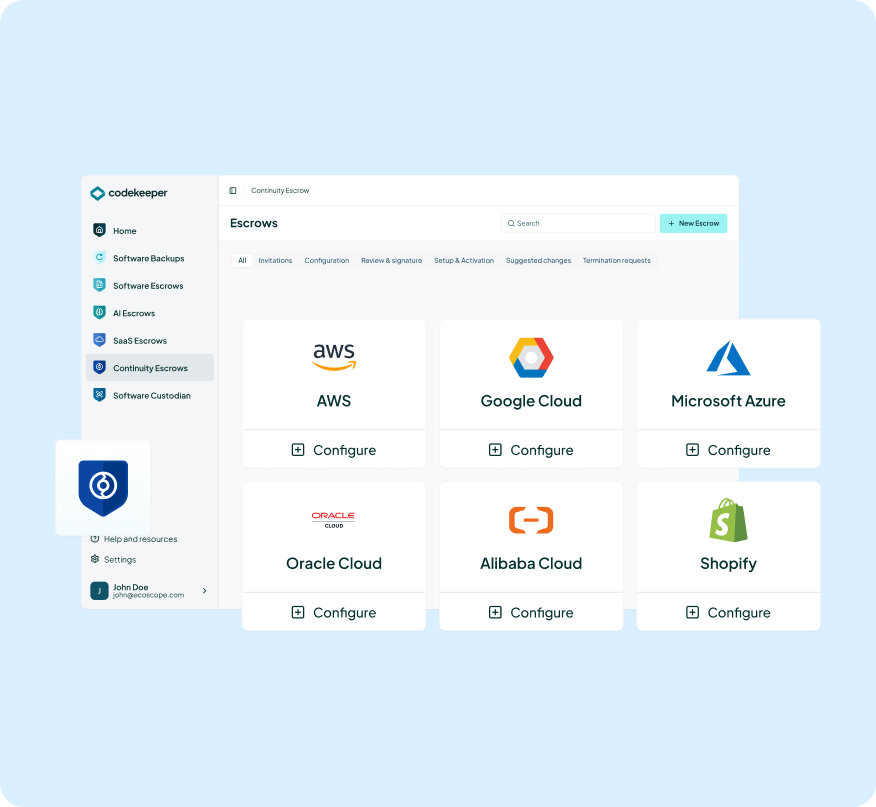
Sync any of your infrastructure platforms
Your continuity protection stays current through 50+ platform integrations. Connect your platforms once, and we'll automatically sync your hosting environments, third-party services, and critical infrastructure daily.




View all integrations
End-to-end legal and technical support
Continuity protection works only when legal agreements and technical systems align perfectly. We handle both sides so your implementation goes smoothly from contract to activation.
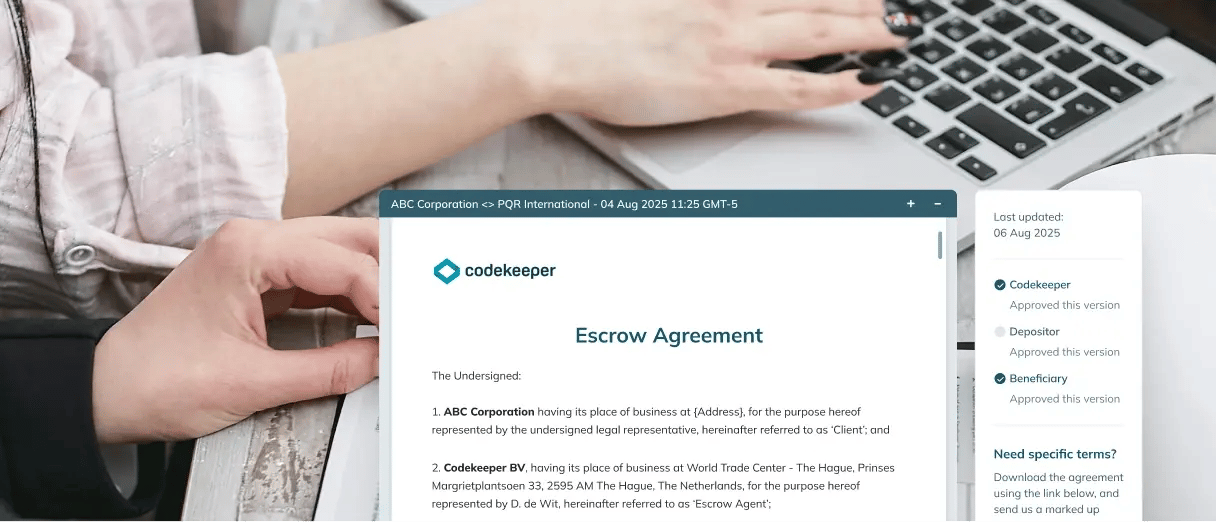
Legal framework included
We draft continuity agreements for your specific scenario — from ready-to-sign templates to completely bespoke contracts for unique infrastructure arrangements.

Multi-party arrangements
Your agreement can involve two parties, three parties, or multiple vendors. We define payment triggers, service responsibilities, and activation protocols for everyone involved.
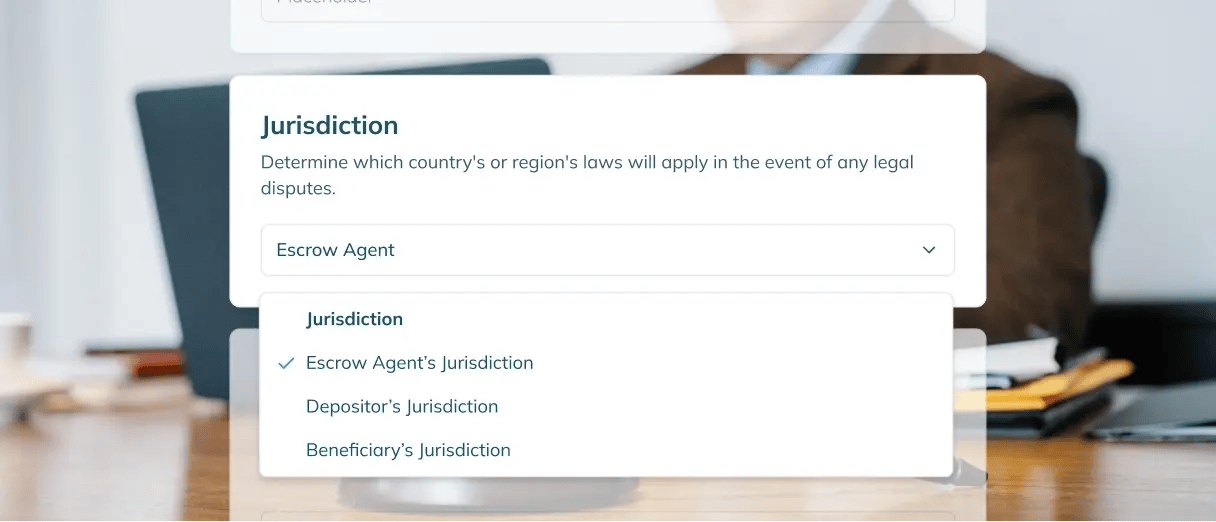
Jurisdiction selection
Choose the legal jurisdiction governing your agreement based on where you operate, your existing contracts, or regulatory mandates.
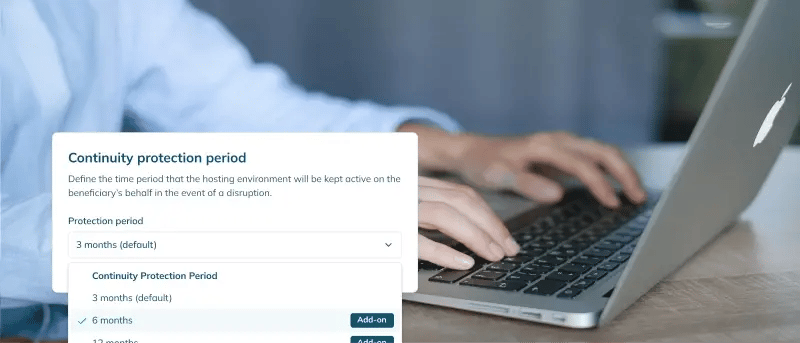
Service continuity coverage
If vendor payments stop, your essential services stay running for up to 12 months to give you time to implement long-term solutions.

24/7/365 event processing
Service disruptions can happen at any hour. Reach us around the clock over phone, chat, or email for immediate activation at
$199 per hour.
Unique in-app agreement management
24/7 technical and legal support
Guided implementation
Built for security, verified for trust
Storing hosting credentials and administrative access demands serious security. We provide the protection auditors and stakeholders expect with the documentation they require.
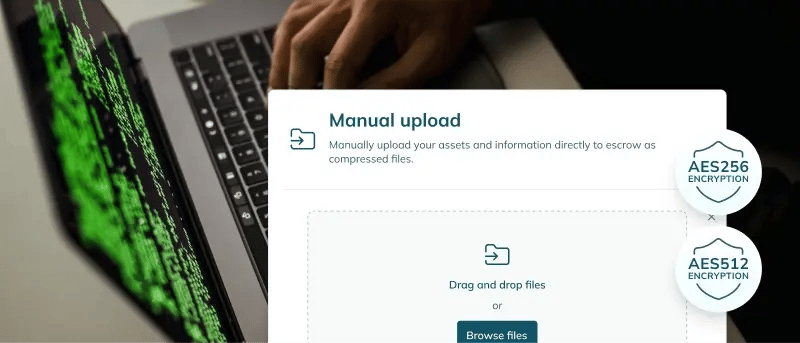
AES-256/512 encryption
Military-grade encryption shields your credentials and access tokens from the moment you upload them until the moment we use them for activation.
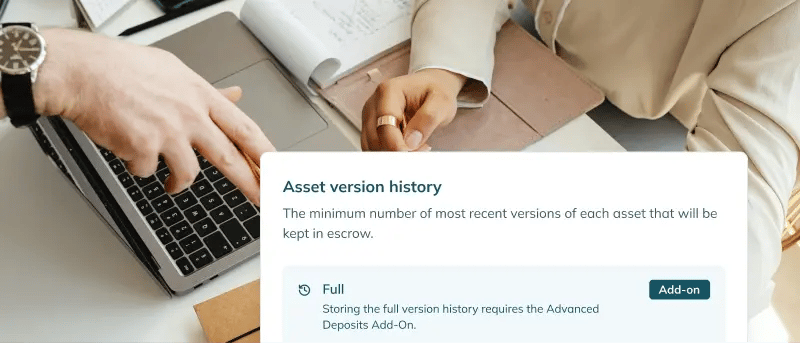
Version history
A permanent record captures what was uploaded, when it changed, and who authorized modifications. This creates a complete chain of custody for compliance requirements.

Multi-factor authentication access control
Control exactly who can access your credentials by adding 2FA for sensitive roles. You can also review detailed logs of every access attempt to maintain security.
Global secure vault network
Immutable storage
Software Resilience Certificates included
Guarantee your software continuity with technical testing
While Continuity Escrow keeps your services operating when payments fail, regulators and auditors still require documented proof that your systems will remain resilient.

Validated
FREE
Automated systems confirm all required credentials exist in your uploads.

Verified
Continuous checks validate that your escrowed credentials remain functional and current.
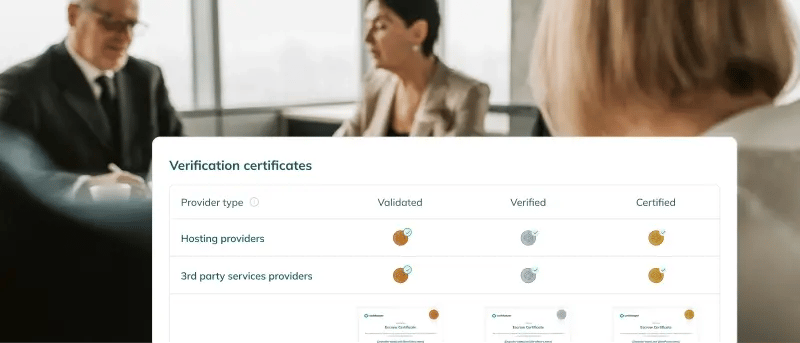
Certified
Our experts test your credentials to confirm we can access and activate your systems when needed.
Compare all verification levels
If providers run your infrastructure, activating Continuity Escrow is the right decision.
Dependencies create risk. Talk with our continuity specialists about closing these vulnerabilities so disruptions never take you offline.
Your consultation will cover:
- Infrastructure vulnerability assessment
- A guided continuity roadmap
- Answers to your technical and legal questions

Need protection for other software types?
Explore our complete software resilience platform.
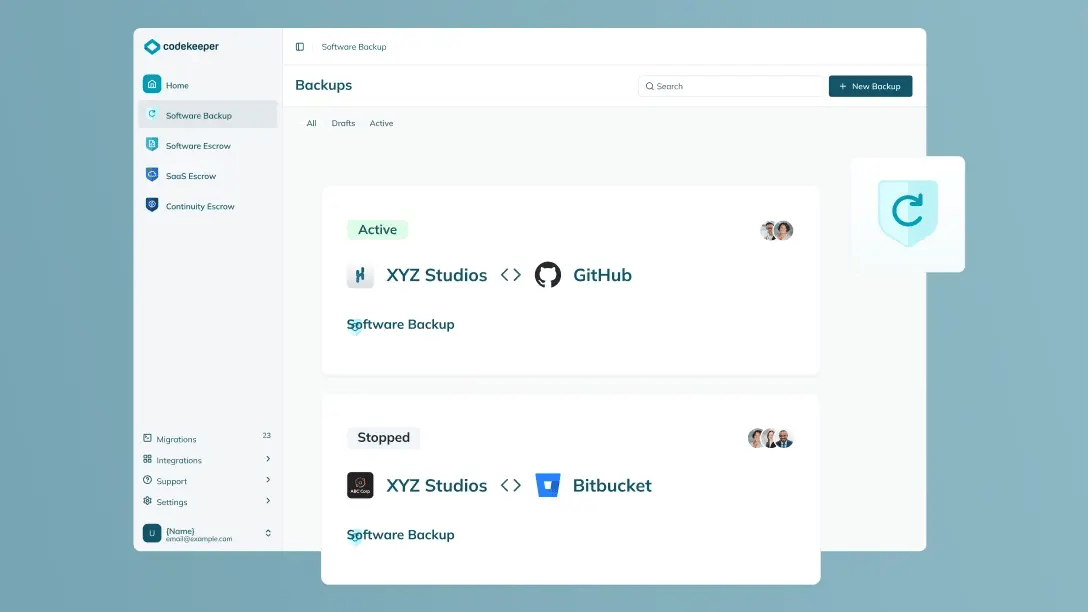
Software Backup
Automated daily backups of your internal applications with unlimited storage capacity.
Learn more
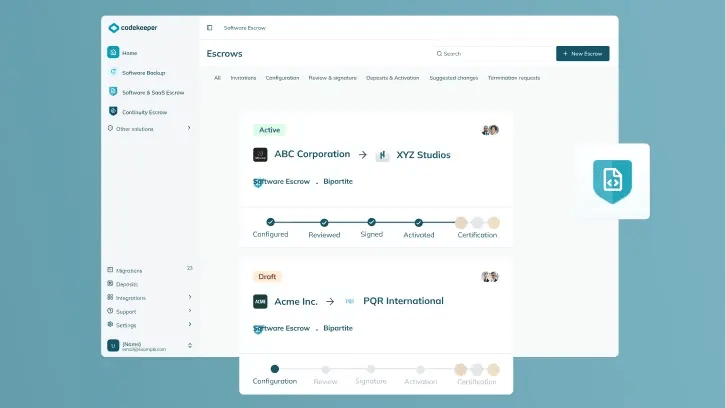
Software Escrow
Secured source code and documentation to maintain your on-premises applications.
Learn more
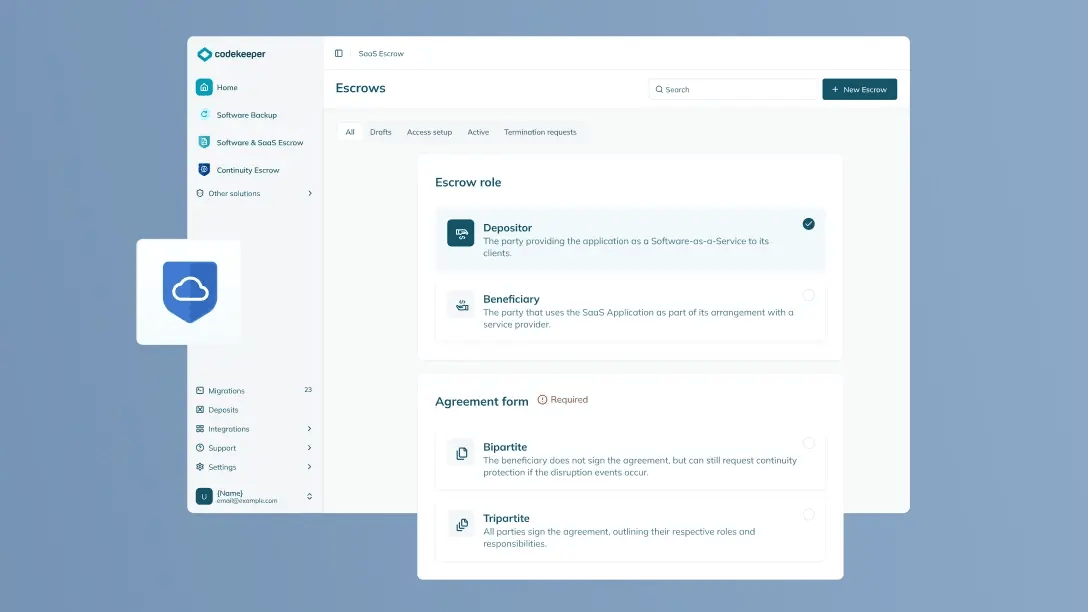
SaaS Escrow
Cloud application protection covering your code, data, and deployment configurations.
Learn more
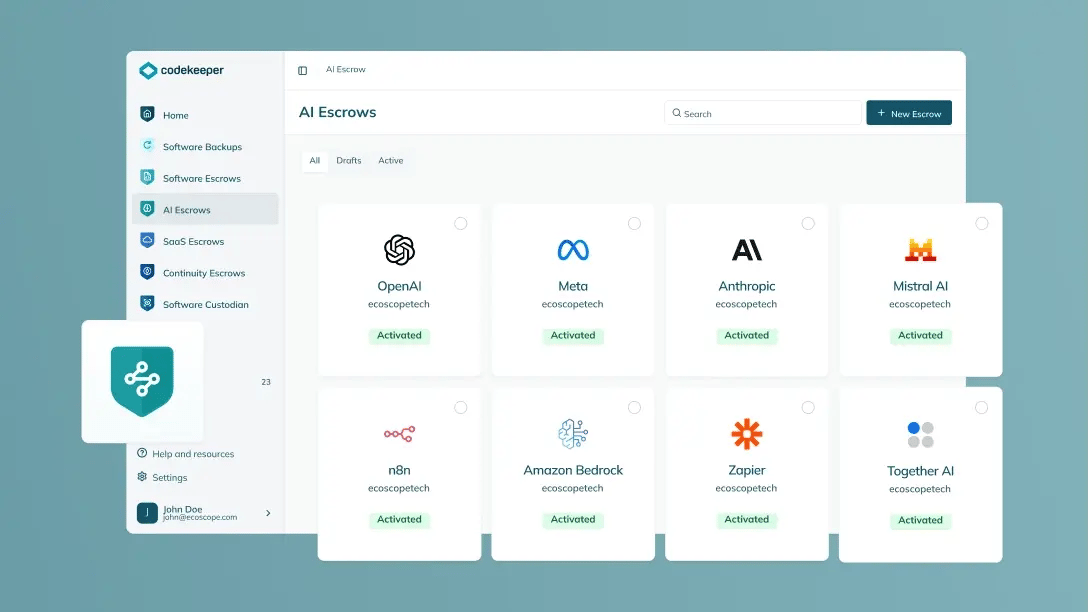
AI Escrow
Model protection to preserve your training assets, prompts, and inference infrastructure.
Learn more