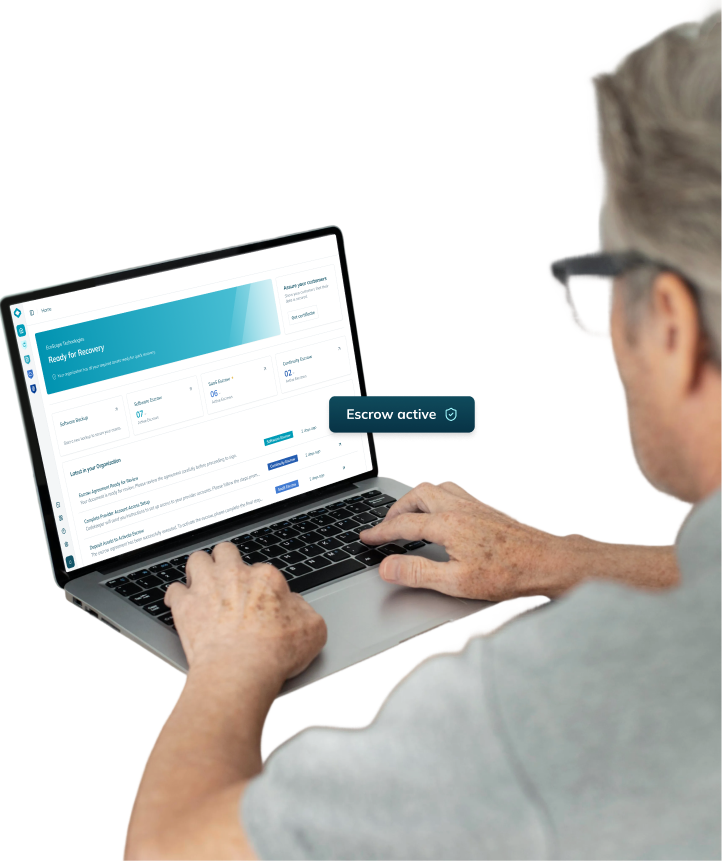
Software Escrow Asset
Data escrow
Protect the critical assets your software relies on by storing essential data in a secure, independent environment built to support real recovery scenarios.
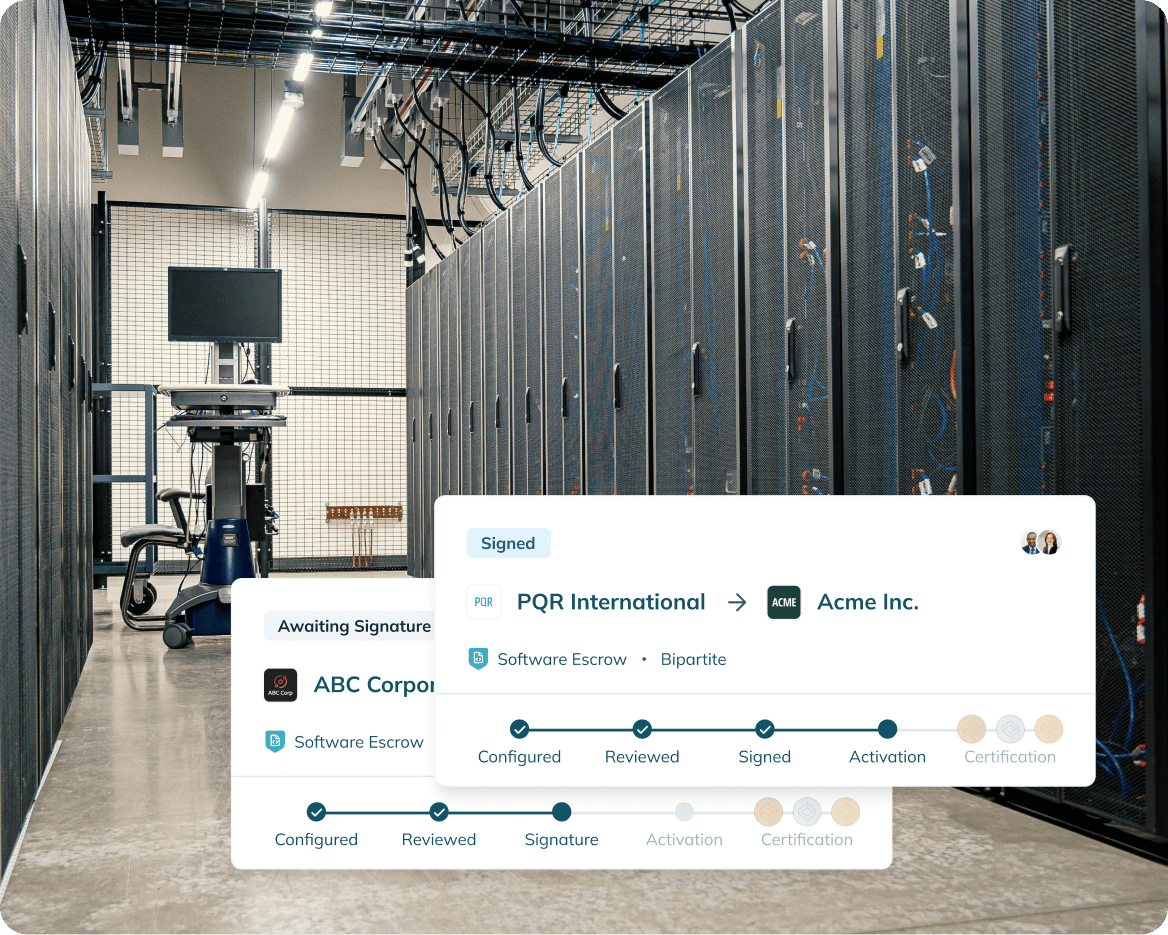
Connect your data from any source or environment
Depositing essential application data shouldn’t be slow, manual, or complicated. Codekeeper integrates with leading platforms so teams can transfer required data securely and consistently, without disrupting their workflow.
View all integrations


What is data escrow?
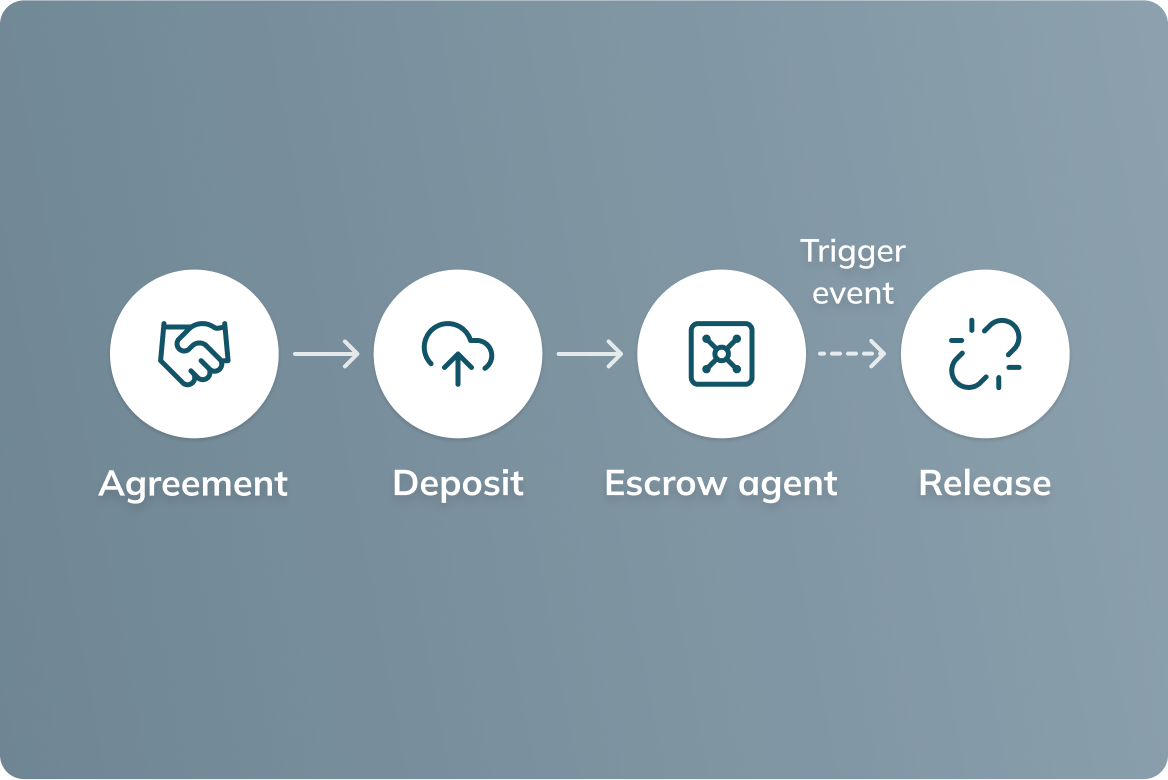
Data escrow is a legal agreement where a software provider securely stores essential operational data with an independent, trusted third party like Codekeeper. The data is held under contract and kept protected, encrypted, and access-controlled.
If a release condition is triggered under the agreement, the escrowed datasets can be made available to the authorized party so they can restore, support, or migrate their systems without losing access to essential data.
Data escrow is one of the asset types included within Codekeeper’s broader
Software Escrow offering.
Why data protection matters
When software relies on operational or customer data to run, any disruption to that data can create immediate challenges for recovery, support, and long-term stability.
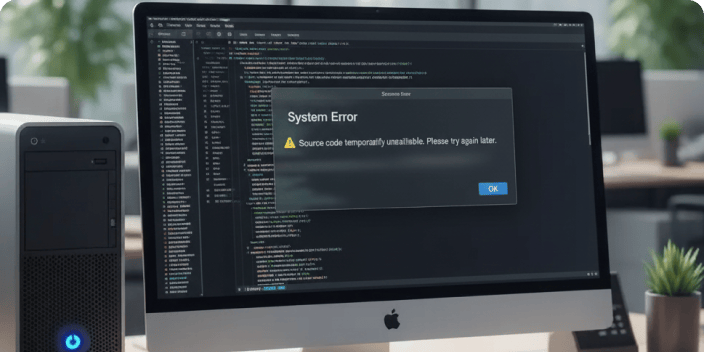
What happens if essential application data becomes unavailable?

How would your team support or restore the software without the right datasets?

Who can maintain operations if key data can’t be accessed or updated?

How do teams prove their data deposits are complete, accurate, and current?

Unlimited automated deposits keep your data current
Connect your data sources and let Codekeeper handle deposits automatically — no manual updates needed.

More features to simplify and strengthen your data protection
From automated checks to optional verification, Codekeeper provides tools that make data escrow easier to maintain and rely on.

Assured recovery support when it matters most
If a release event occurs, Codekeeper provides guided assistance so providers and beneficiaries can navigate recovery confidently.

Cost-effective, flexible monthly and annual plans
Scale your escrow coverage as your needs change, with flexible billing options and no hidden fees or complicated contracts.

Access to online escrow management for both parties
Depositors and beneficiaries each receive a dedicated dashboard to track deposits, updates, verification status, and release events.

Dedicated customer support for every step
Codekeeper’s support team helps you onboard, upload, and verify data — ensuring everything placed in escrow is complete and securely held.
From software risk to resilience

“Excellent service. This is easily the best way to handle it for both yourself and the client.”

“Codekeeper is a new service for creating escrow agreements for code, specifying the legal circumstances where source code can be accessed.”

“Source code escrow is a great service, and one that ALL developers who do client contract work should look into.”








Without data escrow
Critical datasets may be lost, corrupted, or inaccessible
Software behavior becomes unpredictable or non-functional
Recovery becomes slow and resource-heavy
Teams struggle to recreate missing information

With data escrow
Essential data remains independently safeguarded
Recovery becomes clearer, faster, and more predictable
Teams can restore software with the correct datasets
Both sides gain confidence in long-term resilience
Cover your full software infrastructure
Data escrow is part of Codekeeper’s broader Software Escrow offering, which extends to all essential assets needed for recovery, including source code, documentation, and configurations.
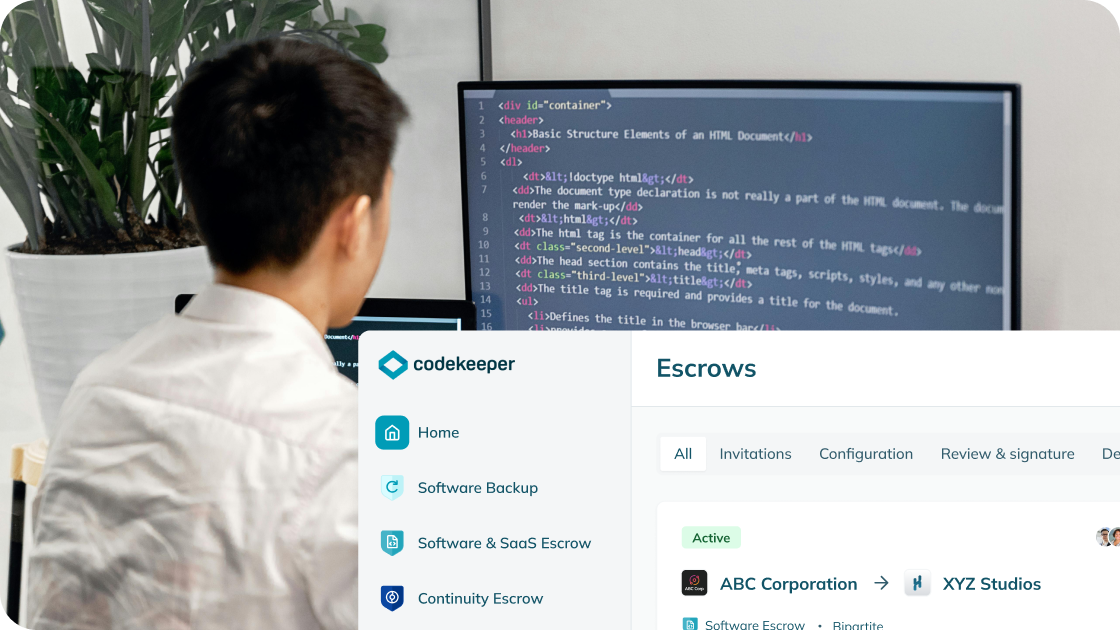
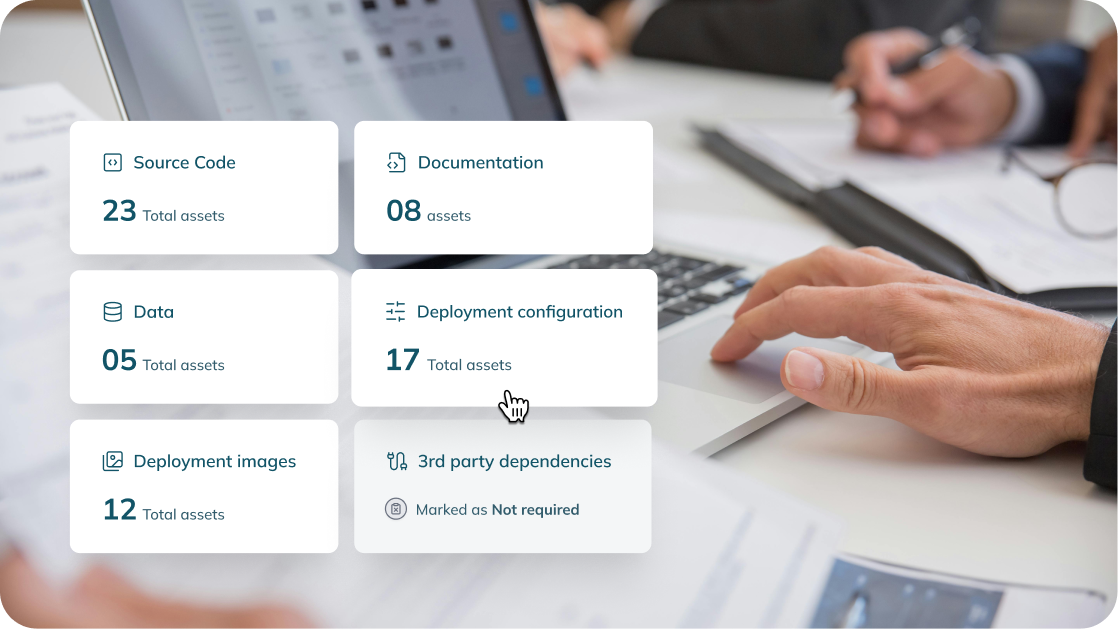
E-BOOK
Want a deeper understanding of software asset protection?
Download our guide to see how Software Escrow preserves code, data, and documentation for recovery.
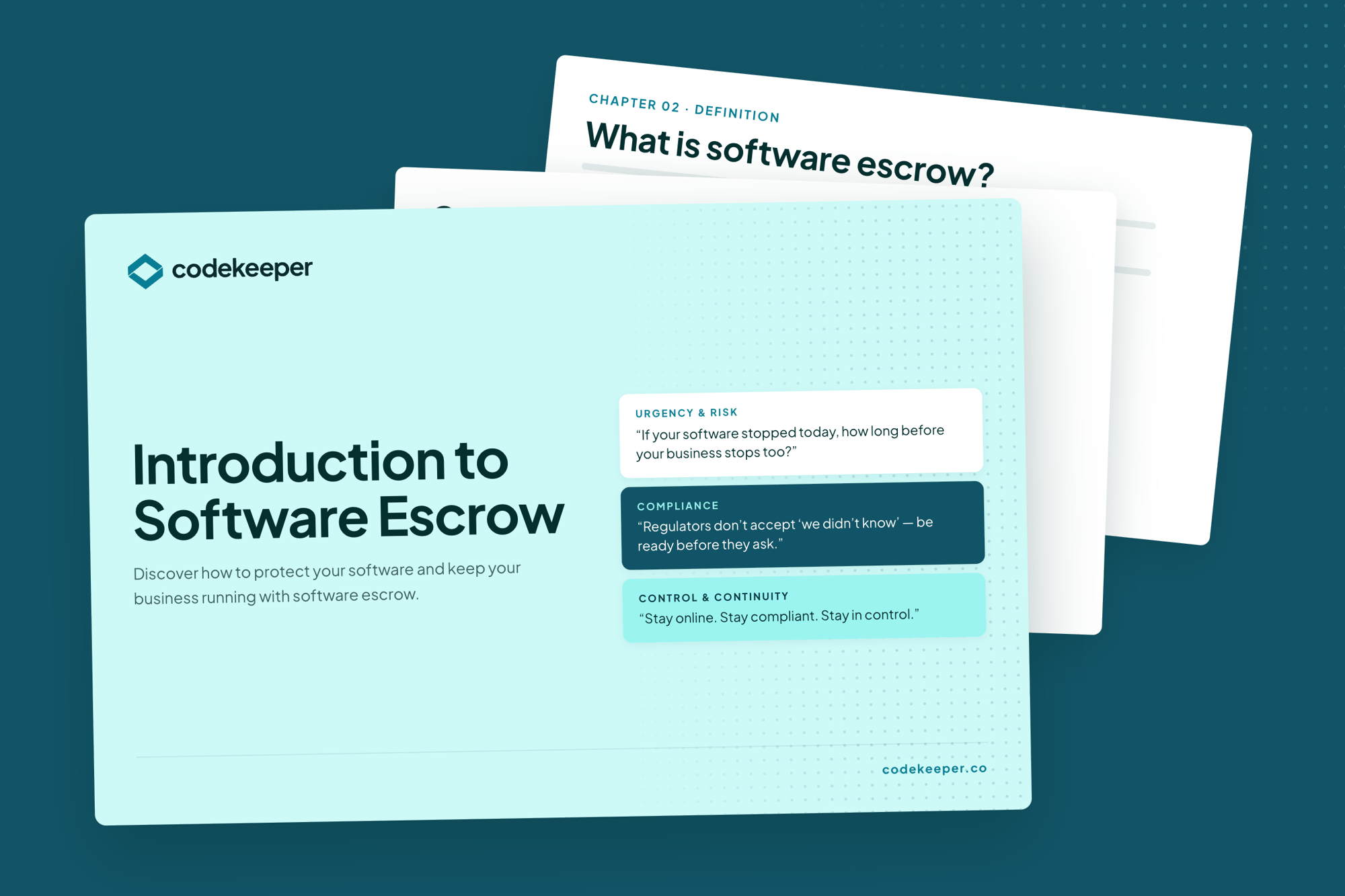
*E-book available only in English
Get your free introduction to software escrow
READY FOR RECOVERY
Protect the data that brings systems back
- Make essential information reliably available when needed
- Strengthen trust in your recovery and continuity plans
- Keep deposits current with automated, repeatable workflows